Atlus and the Persona IP are basically synonymous at this point, but it’s important to remember that this studio was once known for being one of the more experimental players out there in the JRPG genre. After years of putting out social/dating sim-style dungeon crawling JRPGs with varying casts of high school students, 2024’s Metaphor: ReFantazio felt like a breath of fresh air and, in some ways, a much-needed reset for the Persona development team.
Revisiting Metaphor: ReFantazio in 2026 — this time on the Switch 2 — and being able to look at it again with a fresh lens now that a couple years have passed, I’m pleased to report that Metaphor is still a standout effort that really showcases Atlus’ design chops and what they can do when they explore unfamiliar territory. This review will largely focus on the Switch 2 port itself, but I’ll give a brief overview of the story and gameplay systems too, just in case you’re new to the game.
Metaphor: ReFantazio is a high fantasy JRPG set in a world where different tribes live together, but struggle to reconcile over their tribal and racial differences. It’s a world that’s being ravaged by monsters, called Humans, though these Humans are twisted beyond all recognition. The story begins with the death of the king, and as the citizens of Euchronia wait for the monarchy to announce the next heir to the throne, they’re shocked to find out that the king’s last wish was to have the people themselves vote for the new king.
Democracy isn’t exactly a known concept in Euchronia, and as expected, chaos ensues. This does make for a really fun story setup, though, as the protagonist (thereby referred to as the Captain) and his merry band of misfits also get caught up in this election race that takes them around the world.
Metaphor Re:Fantazio features all of the core gameplay pillars from the Persona games, including a calendar and time management system, the ability to form and deepen relationships with NPCs and party members, and dungeon crawling with battles that play out in turn-based affairs. You can’t recruit any demons or Personas in this one, but Metaphor does introduce the excellent Archetype system, which is basically this game’s version of jobs and classes.
Archetypes are what make Metaphor so damn fun to play. Every party member can equip any Archetype — though some are more suited to specific Archetypes than others, of course — which opens up so many build strategies for you to play around with. More Archetypes get unlocked as you form relationships with characters, and eventually you’ll get to a point where you’re able to mix and match skills from different Archetypes too.
When I originally reviewed this game for The Escapist, I had a blast experimenting with all sorts of party combinations, eventually creating a definitive list of best Archetypes for every character. You have to understand that this is not something I particularly enjoy doing, but with Metaphor, it’s a process that just naturally worked itself out because experimenting with the Archetypes was just that much fun to do.
Everything I loved about the game back in 2024, I still adore here. My original complaint still stands, of course, as I do still feel that a lot of the party members are just rehashed versions of the characters we’ve already seen in previous Persona games. With the exception of the great Heismay and a couple of late-game additions, I found it hard to get particularly emotionally invested in anyone.
As for the Switch 2 port itself, I’ll start with the good news. The animated cutscenes and menus are look crisp as hell, and the game runs really well. As always, I played primarily in handheld mode and while I don’t think Metaphor quite hits 60fps, it’s not locked to 30fps either and everything always felt really buttery and smooth. The game loads quickly, the menu animations are slick, and I loved how fast everything felt in and out of battle.
I’ll give Atlus credit where it’s due: they really struck gold with the Persona 5 UI, mapping every different action to a face button, allowing you to do things quicker and get through turn-based battles swiftly. That same design philosophy has been implemented in Metaphor (and will be in Persona 4 Revival, too), making this game a breeze to play on the Switch 2.
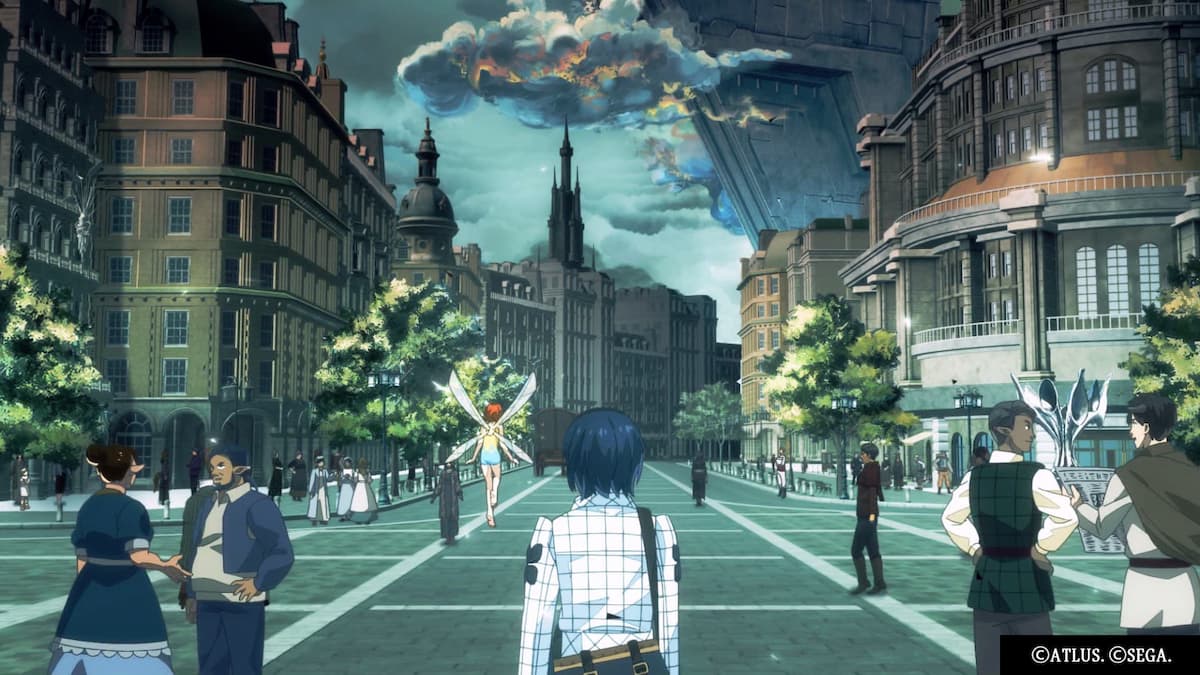
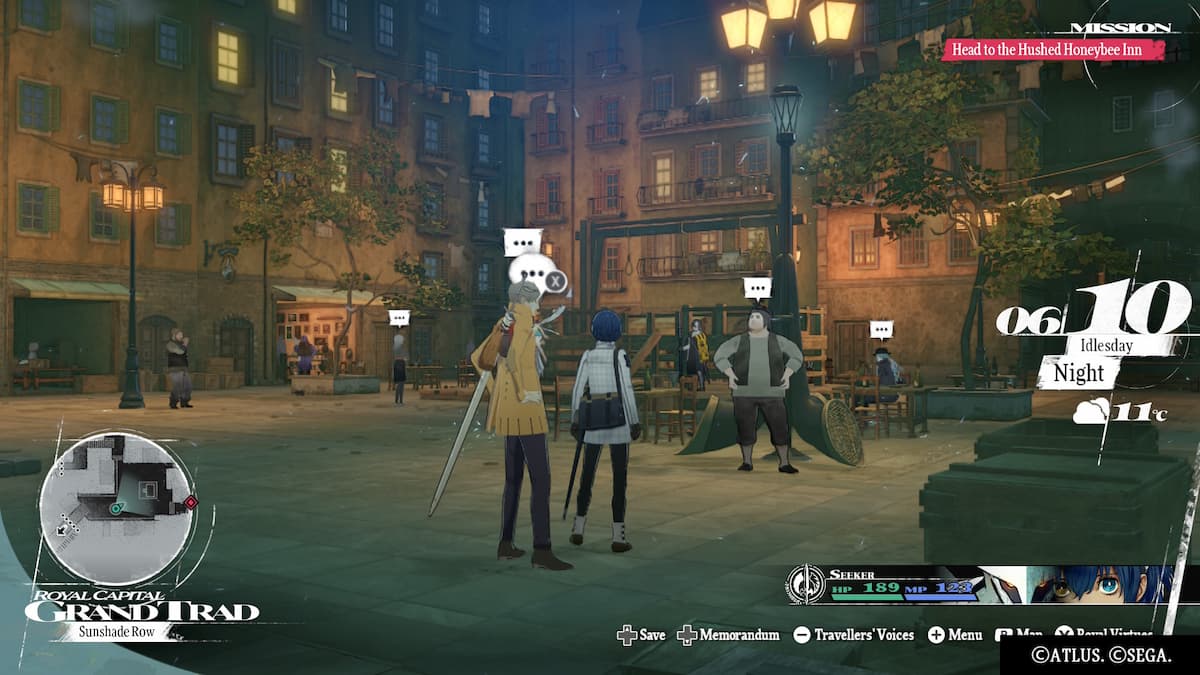
Now for the bad news. The game looks a little bit ugly a lot of the time. The animated cutscenes, menus, and character portraits all look stellar, but the in-game graphics and character models themselves are, well, not very good-looking. There are times where the character models look a little muddy and strikingly devoid of detail too. When the lighting works in the game’s favor, things don’t look too awful, but generally speaking, I can absolutely see this being a deal-breaker for folks who might’ve been interested in picking this game up on the Switch 2, and I wouldn’t blame you.
It doesn’t help that Metaphor‘s environments are generally quite grey and drab-looking. It’s all part of the game’s aesthetic of course, but when paired with the subpar graphics, it’s not exactly easy on the eyes. Once again, I’m coming from the perspective of someone who doesn’t care all that much about graphics or performance; as long as it looks good enough and plays well enough, I’m all in.
Like all of the other games Atlus has released for the Switch 2 so far, Metaphor: ReFantazio is, predictably, another excellent addition to the console’s expanding library of turn-based JRPG gems. Some graphical limitations hold it back, but it’s still very much worth experiencing on the Switch 2 if you value the portability factor.
A review code for the game was provided by the publisher. You can check out our review policy here. Reviewed on Switch 2.