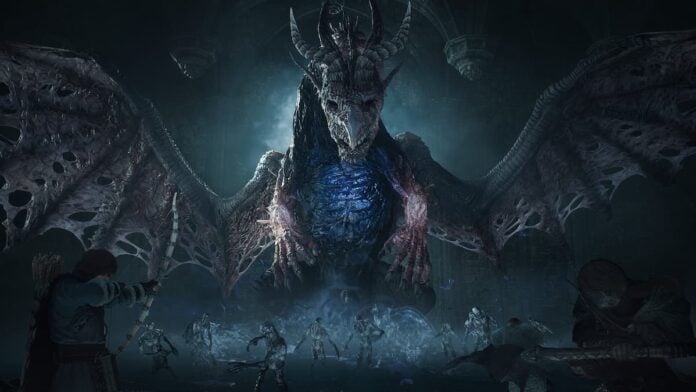
To be perfectly honest with you, I’ve never played Diablo for the story. Anyone who’s known me for any amount of time is well aware that I possess a lizard brain that only responds to bigger numbers and green arrows pointing up, and Diablo IV hits me with that dopamine like no other game does. With Diablo IV: Lord of Hatred, the dopamine hits keep coming, but what I didn’t expect was that I’d end up forming an emotional connection to the narrative as well.
Let me big picture it for you: Mephisto is back. That’s bad news. Lord of Hatred brings back the usual suspects of Diablo IV, including Neyrelle, who took center stage in Vessel of Hatred. After getting up to all sorts of evil ritual shenanigans that I won’t get into too much detail here, Mephisto manages to release himself back into the world, and wouldn’t you know it, he’s totally up to no good.
You’re then forced to embark on yet another critical journey to stop Mephisto from destroying Sanctuary, and that involves traveling to a new region called Skovos with Lorath, and getting Lilith roped into the fray once again. Nothing new, but my goodness, Lord of Hatred feels like the culmination of everything Blizzard has been building towards since day one of Diablo IV and it shows in both the gameplay and the story.
With Mephisto back as the big bad villain of the game, the stakes feel higher than ever, especially as you cross paths with Lilith once again and figure out how to deal with both troublemakers. My original criticisms of Diablo IV still stand; I wish the player character felt more integral to the story, but for what it’s worth, Blizzard has done a stellar job with the story in Lord of Hatred. From the spectacular boss fights to some genuinely moving scenes and dialogue, I finally felt like I was actually invested in the wellbeing of Sanctuary.
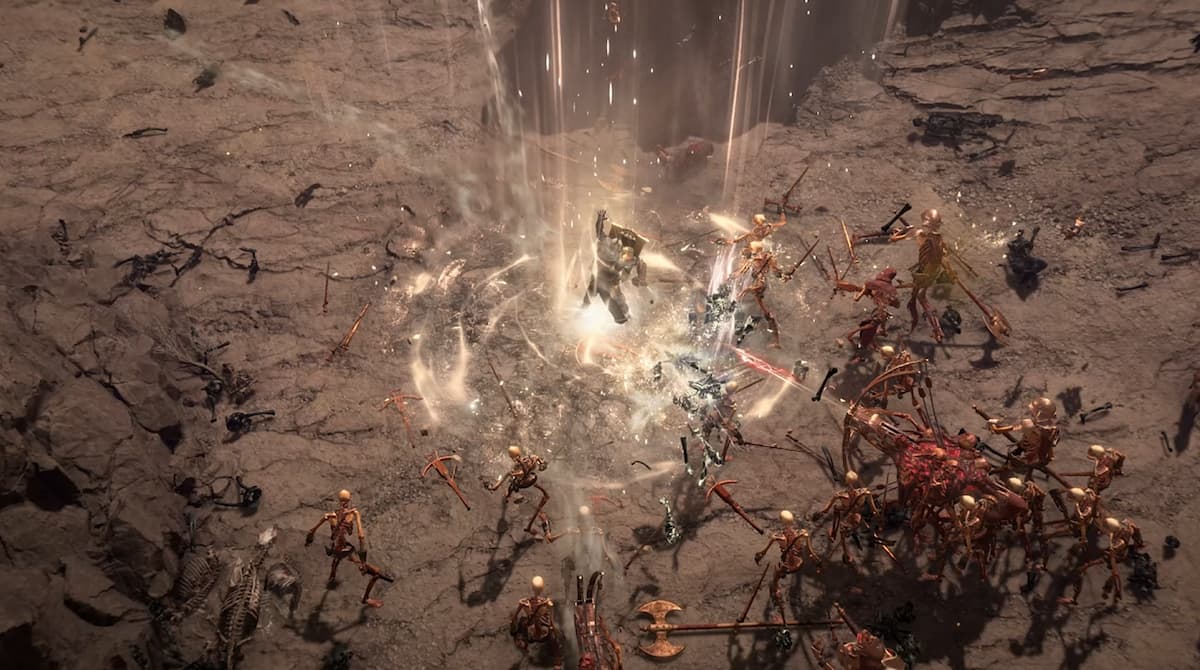
Lord of Hatred introduces two new playable classes: Paladin and Warlock. I know the Paladin’s been available for a bit now and the Warlock’s the shiny new thing, but I couldn’t help myself. I ended playing through the entire campaign with the Paladin as I simply couldn’t resist the protective sword and board play style.
It’s pretty obvious that the Paladin is going to be one of the top-tier classes to play this season, thanks to its ridiculously versatile and utilitarian skill set. Throwing hammers around and watching them bounce off enemies while soaring into the air and dropping down on them dragoon-style is some of the most fun I’ve ever had in Diablo IV. The Paladin comes with plenty of useful healing skills as well, which will certainly come in handy in high level group content.
I did get a chance to mess around with the Warlock in the early levels and while I’m going to need to spend a lot more time with it when the game launches, it’s clear that this one has plenty of potential too. Somewhat similar to the Necromancer, the Warlock is able to summon hellish creatures to do their bidding. That power comes at a cost, though, as you’ll need to keep an eye on the Corruption gauge and make sure you never veer too close to the edge.
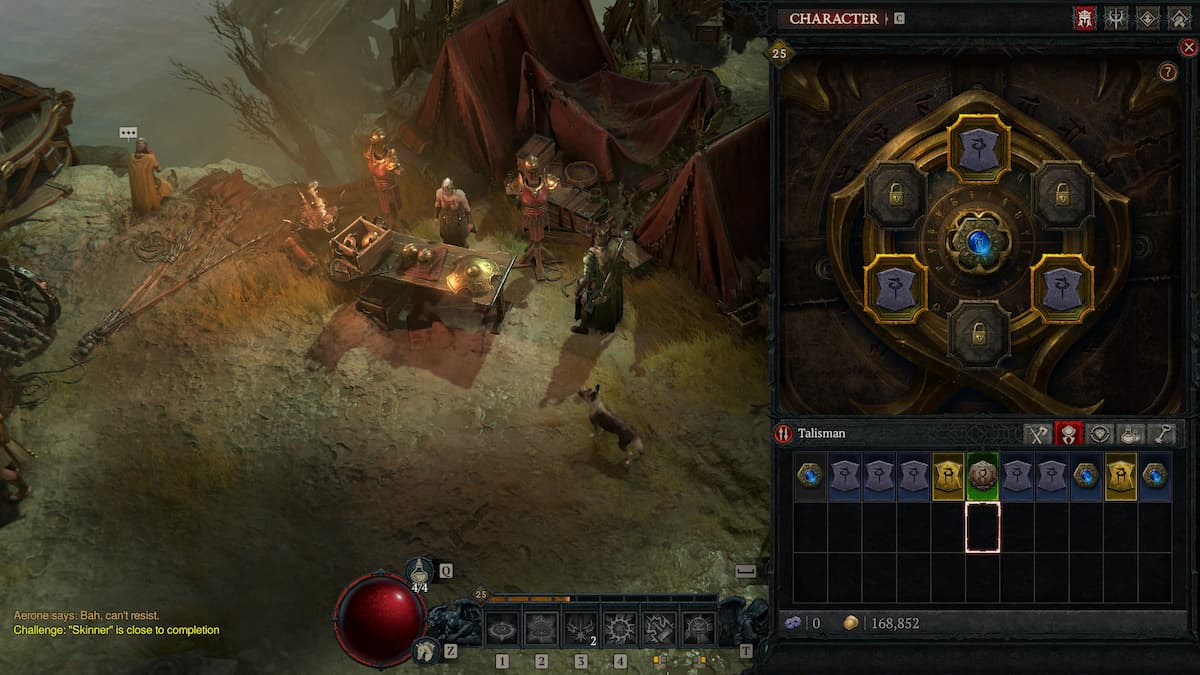
New to Lord of Hatred is the Charm and Talisman system. At the start of the game, you’ll receive a Talisman and you’ll also be able to start getting Charm drops from enemies. Charms can be slotted into the Talisman to activate bonuses such as stat increases or better resistances. There are set bonuses associated with the Charms too, which means that grinders will have plenty to farm for in the endgame. Series fans will be glad to know that the Horadric Cube also makes a return, adding a new layer of depth to your endgame builds.
I could go on about all of the shiny new features that Diablo IV has introduced with Lord of Hatred, such as the new War Plans feature which serves as an activity playlist that comes with its own unique rewards. But really, the star of the show is all of the other quality-of-life improvements that I’ve been waiting for since launch day.
For starters, the loot filter and map overlay are now available in the game. The former allows you to focus on the gear that you need for your build while filtering out the trash, while the latter lets you see a translucent overlay of the map in the center of the screen, which is perfect for wayfinding without having to bring up the main map every time you get lost.
The skill tree has also gotten a huge revamp, with almost every skill for every class getting additional upgrade or enhancement options. The Paladin, for example, now has more Zealot skill options to make existing abilities even more powerful. The tradeoffs are often interesting too, with some skills forcing you to choose between extra power or extra hits. There are now additional Torment tiers, new bosses and environments to check out in the Pit, which means that the endgame content has been greatly expanded upon.
Diablo IV: Lord of Hatred knocks it out of the park in pretty much every department, especially when it comes to the story, which reaches some impressive emotional highs I never would’ve expected from a Diablo game. The state of Diablo IV has been gradually improving since launch day; it may have taken a while for us to get here, but I can confidently say that Diablo IV‘s in the best shape we’ve ever seen.
A review code for the game was provided by the publisher. You can check out our review policy here. Reviewed on PC.