For a studio that’s excelled at making some seriously impressive action games over the past decade, it’s refreshing to see Hoyoverse finally take a stab at the cozy game genre. Over the last two weeks, I’ve spent a good amount of time checking out the beta test for Petit Planet, the company’s take on the farming/life sim genre. I came away mostly happy with what I played, though I can’t help but wonder if it would’ve made a bigger impact on me had it released a year earlier.
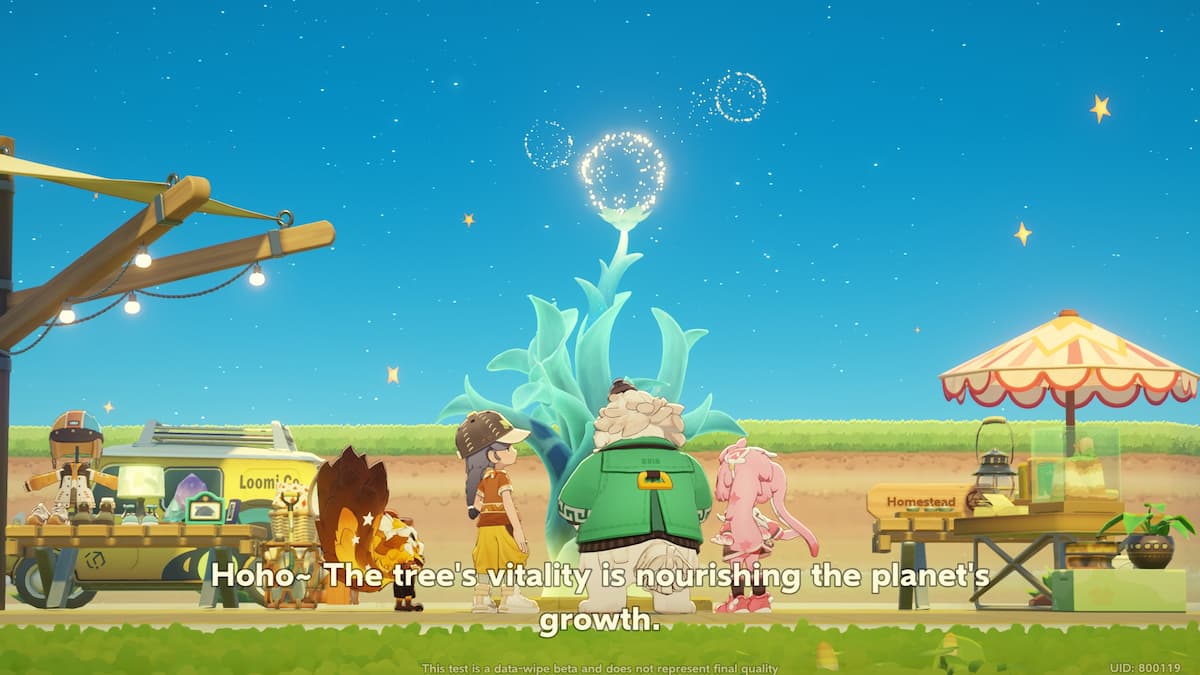
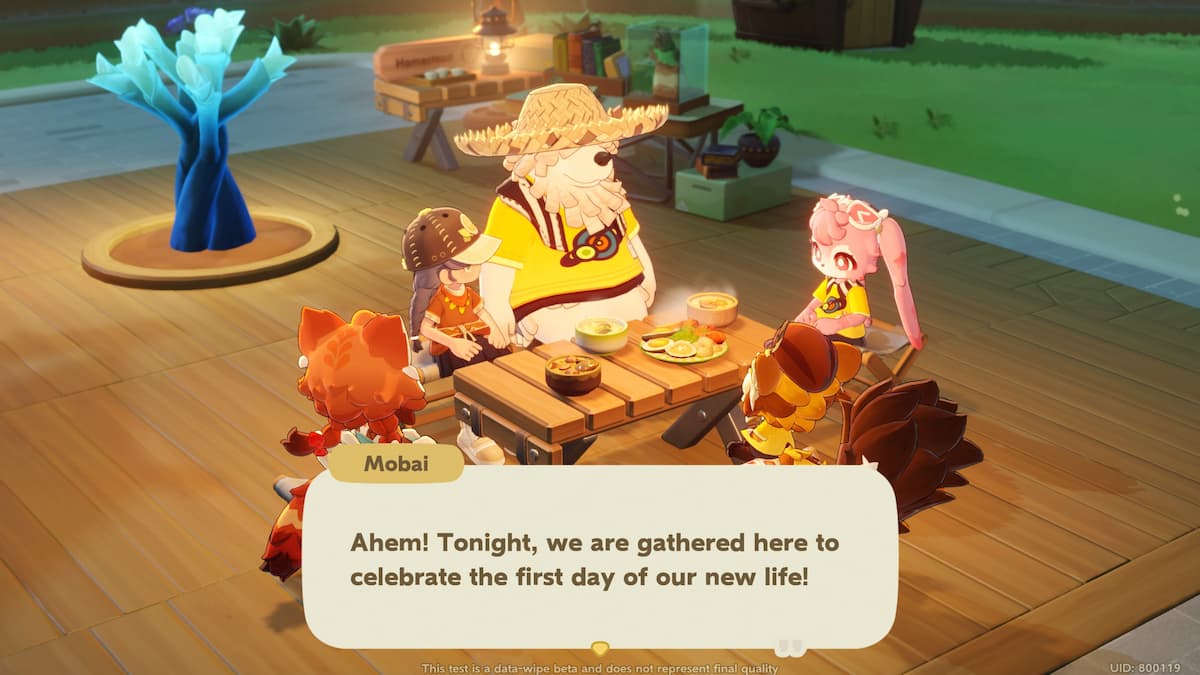
As always, let’s start from the top. Right off the bat, Petit Planet plops you into a charming little character creator where you get to design your cute little anime avatar, and it’s off to the races. After speaking with Mobai, a very huggable dog who loves drinking tea, you get on a space-traversing truck in search of a planet to inhabit. The early hours are very on-the-rails, as Petit Planet takes its time introducing you to its denizens: there’s Glenn, the little fox shopkeeper, and Yunguo, an adorable red panda skilled at gardening and horticulture, just to name a couple.
I’ve not played the previous beta test myself, but from what I could gather, this test adds a ton of voice acting to the game which helps bring it to life. Mobai, in particular, is a standout with his slow, comfy baritone which really sets the tone for your entire experience.
You see, unlike Genshin Impact or Honkai: Star Rail, where it’s basically “Go go go!” all the time as far as the story’s concerned, Petit Planet really wants you to slow down and smell the roses. It’s worth noting there’s no combat in this one either; Hoyoverse really wants to embrace the farming sim genre, warts and all.
It’s difficult to talk about this game without comparing it to Animal Crossing at some point, so that’s what I’m gonna do now. There are plenty of elements here that will feel very familiar to genre fans, including house decorations, designing and upgrading housing exteriors, crafting and buying furniture, fishing, catching bugs… You get the picture.
While Hoyoverse may be using Animal Crossing as a blueprint, it also expands upon many of these mechanics. For instance, while there are plenty of cooking recipes to collect, the cooking system also allows you to freestyle it by tossing in any ingredient you fancy. Early on in the game, as you’re taught how to make Dough (money, not bread), you’re also introduced to the StarDash app, which is basically Petit Planet‘s version of DoorDash. The residents that live on your planet will occasionally put out orders for food, and it’s up to you to cook it up and deliver it yourself. You even don a cute delivery outfit when serving the food. It’s all very charming and adorable.
The residents themselves are also fleshed out way more than any Animal Crossing character in existence, though I suppose that’s not really saying much. Still, I was impressed with the level of care and detail that’s gone into creating each character. Yunguo was the first character I invited to my planet, and as I completed more quests for her, I unlocked more of her backstory detailing her childhood, namesake, and why she’s as soft-spoken as she is.
Just like in Hoyoverse’s past games, it’s clear that the residents are going to be the heart and soul of Petit Planet, and sure enough, they were the strongest aspect of this game in my view. I should point out that I didn’t get to explore any of the monetization functions during the beta test, though it seems like a no-brainer that the gacha system will likely revolve around these characters, determining who you get to live with on your planet.
At the center of everything is something called the Luca Arbor, a special plant that determines how much you can develop your planet. You collect Luca Jars just by completing daily tasks and quests, which can be used to help the Luca Arbor grow. The more it grows, the more your planet develops, and you’ll start to unlock some seriously fun customization options to play around with. I’m talking terrain manipulation and even landscape designs that will drastically change the look and feel of the planet.
Even before progressing that far, though, I was already thoroughly impressed with how much freedom and customization Petit Planet afforded me. I was getting Inspo Cards left and right, which allow you to learn the recipe for a piece of furniture and craft it. Before I knew it, I was drowning with furniture that I simply couldn’t fit into my tiny house (for now, because I haven’t upgraded it), and I was pleasantly surprised to find out that I could litter the exterior with them, or give them to residents.
Petit Planet makes it very easy for you to place items on the planet surface, too. Moving and rearranging items was wonderfully frictionless, and I hope Nintendo’s keeping an eye on this game for its next iteration of Animal Crossing, whenever that may be.
So why am I not more in love with Petit Planet? Simply put, I think I may just be cozy gamed out. Within the first half of 2026, we’ve been blessed with games like Pokopia and Tomodachi Life, not to mention the deluge of cozy games that we’ve seen in the past few years as well. While I fully recognize that Hoyoverse has gotten a lot of things right with Petit Planet, I can’t help but wonder if it may be entering the scene just a tad too late. It certainly feels that way for me, at least.
Still, if you, unlike me, are not cozy gamed out, I think Petit Planet is definitely worth keeping on your radar. I will say that the Hoyoverse-style anime aesthetic may not be for everyone, but if it doesn’t bother you, Petit Planet is shaping up to be one of the most polished cozy games to enter the market this year.